Project story
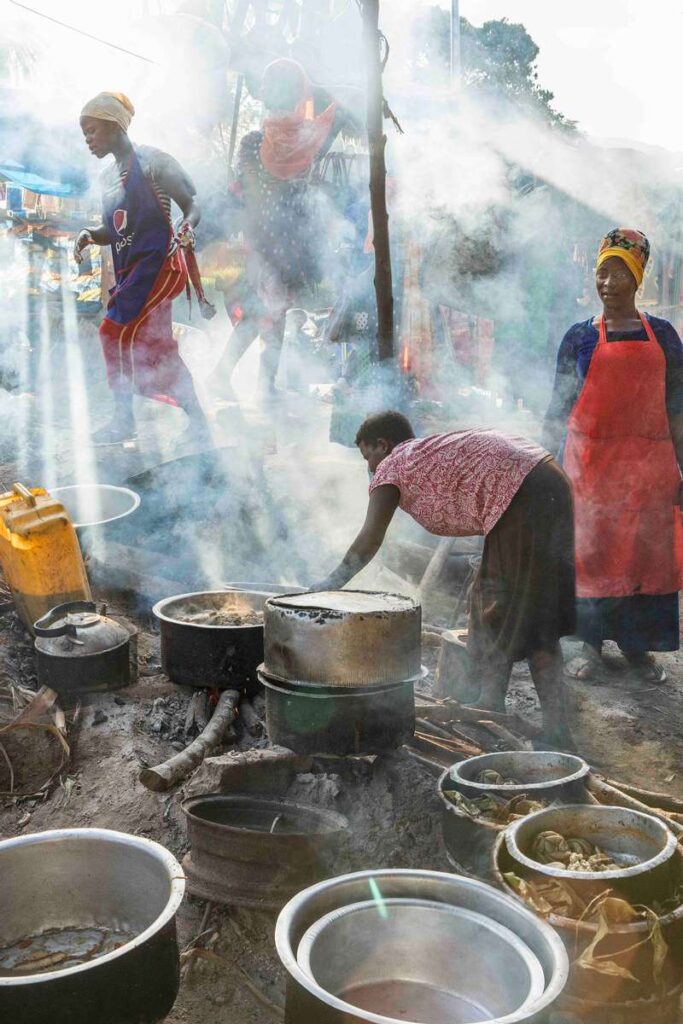
Jiko Poa
Explore how practical community action can connect household wellbeing, participation and resilience.
Explore project ↗

Community stories help us understand how programmes are experienced in everyday life — what changed, what remains difficult and what people believe should happen next.
They brought dignity, purpose and the belief that we can build our future again.Sofia NdokozoCommunity voice shared by Bridge For Change Read the community voice ↗
As Bridge For Change documents more field experiences, this section can grow into a living archive of participant stories, community perspectives, project learning and programme updates.
Explore how practical community action can connect household wellbeing, participation and resilience.
Explore project ↗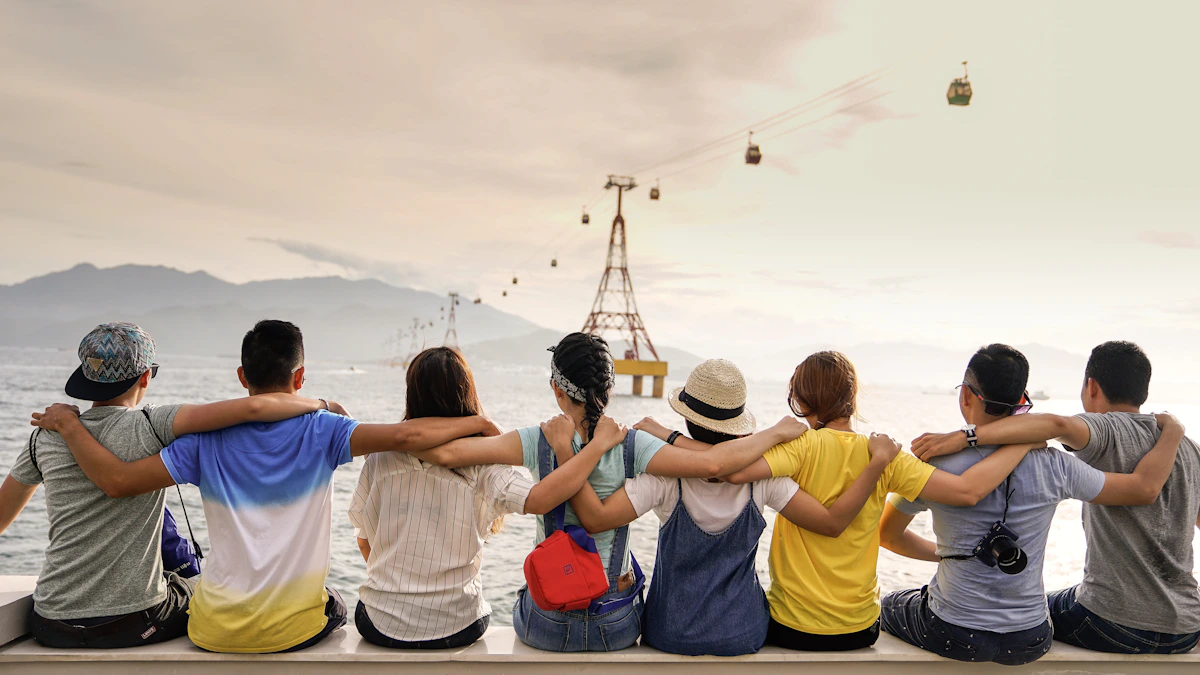
A community-centred initiative focused on connection, listening and supportive networks.
Explore project ↗
Strengthening farmer capability, livelihoods and community resilience through locally relevant agriculture support.
Explore project ↗
Supporting women and girls through dignity, community support, participation and pathways to opportunity.
Explore initiative ↗
Building digital confidence and connecting people to learning, work, enterprise and information.
Explore initiative ↗
Amplifying children’s voices and strengthening advocacy around rights, safety and wellbeing.
Explore initiative ↗A powerful story should never come at the expense of a person’s privacy, safety or dignity.
We aim to tell stories with appropriate consent, context and respect. This is especially important when working with children or people experiencing vulnerability. We avoid reducing people to the difficulties they face and instead recognise their voice, agency and strengths.
Read about safeguarding ↗